
Call: 07971891545( PIN:867)
 Send Inquiry
 Send Inquiry
IR Dyeing Machine
Price 1 INR/ Pack
MOQ : 1 , , Bottle
IR Dyeing Machine Specification
- Mounting Type
- Bench-top
- Accuracy
- ±1°C (temperature control)
- Power Supply
- 220V AC, 50 Hz
- Equipment Type
- IR Dyeing Machine
- Max Height
- approx. 20 inches
- Operating Voltage
- 220V AC
- Response Time
- Immediate (heating via IR)
- Frequency
- 50 Hz
- Temperature
- Up to 98°C
- Display Type
- Digital display
- Application
- Sample dyeing of textiles (lab-scale)
- Humidity
- Ambient
- Automation Grade
- Semi-Automatic
- Port Size
- Standard 1/2 inch inlet
- Specimen Size
- 5g - 50g per beaker
- Features
- Automatic timer, alarm, temperature cut-off, energy efficient IR heating, beaker identification
- Interface Type
- Touch panel, Manual Controls
- Resolution
- 0.1°C
- Number of Specimens
- Up to 24 samples per batch
- Usage
- Lab yarn & fabric dyeing
- Capacity
- 24 beakers (150ml or 300ml each)
- Machine Weight
- Approx. 45 kg
- Test Speed
- Adjustable up to 60 RPM
- Control Mode
- Digital microprocessor-based
- Safety Features
- Over-temperature protection, emergency stop
- Cooling System
- Air cooled
- Power Consumption
- Approx. 4 KW
- Color Options
- Custom (Standard Grey)
- Heating System
- Infrared (IR) radiant heater
- Circulation System
- Rotary movement for beakers
- Timer
- Programmable, up to 999min
- Material of Construction
- Stainless Steel (SS304/SS316)
- Compatible Dyes
- Reactive, Disperse, Vat, Acid, Basic dyes
IR Dyeing Machine Trade Information
- Minimum Order Quantity
- 1 , , Bottle
- Supply Ability
- 20 Bottles Per Week
- Delivery Time
- 1 Week
- Sample Policy
- Contact us for information regarding our sample policy
- Main Domestic Market
- All India
About IR Dyeing Machine
IR Dyeing Machine is widely used in laboratory for developing precise and reproducible sample dyeing for mass production. This is available with seamless stainless steel beakers for efficiently dyeing the samples. Beakers of the machine can be easily rotated in 360 deg for ensuring uniform dyeing. In addition, the temperature can be simply controlled using wireless thermal sensors. This advanced machine is able to dye 16/24 or 32 samples at a time.
Specification
- Highest quality machine in terms of finish electronic components and reliability
- Wireless Temperature sensor
- Low ratio - 1:6.
- Beaker dyeing capacities for 150, 300, 500, 1000 ml
- Manual dosing of auxiliaries & optional auto dosing system
- Programmable LCD controller
- Number of Specimen 16 or 24 pots
- Temp. Controller : DLS-8080
- Temp. range : 25 -140 Degree C
- Temp. Accuracy : +/-0.5 Degree C at 130 Degree C
- Rotating Speed Range : 0-60 rpm/ min
- Dimensions(approx.) : 830(W) X 750(D) X 950(H)mm
Efficient Infrared Heating System
Utilizing advanced IR radiant heaters, this machine delivers immediate and uniform heating for textile dyeing processes. The energy-efficient design ensures rapid temperature rise, enhancing productivity and dye penetration in lab-scale operations.
Precision Controls and Safety
An integrated microprocessor ensures digital control of temperature and rotation speed, supporting consistent results. Safety features such as over-temperature protection and an emergency stop safeguard both users and samples during operation.
Versatile Laboratory Applications
Suitable for sample dyeing of yarn and fabrics, the IR Dyeing Machine is ideal for textile laboratories. It accommodates multiple dye types and up to 24 specimens, optimizing throughput for research and quality assurance teams.
FAQs of IR Dyeing Machine:
Q: How does the IR Dyeing Machine achieve precise temperature control during sample dyeing?
A: The machine is equipped with a digital microprocessor-based control system and IR radiant heaters, providing accurate temperature management up to 98C. Temperature settings can be adjusted with a resolution of 0.1C, and the system maintains accuracy within 1C.Q: What types of dyes are compatible with this IR Dyeing Machine?
A: This equipment supports a range of dye types including reactive, disperse, vat, acid, and basic dyes. This versatility makes it suitable for various textile sample dyeing requirements in laboratory environments.Q: When should the emergency safety features such as the emergency stop or over-temperature protection be used?
A: Safety features are activated in case of system irregularities such as overheating or operational faults. The over-temperature protection automatically shuts off the heating to prevent damage, while the emergency stop can be manually engaged for instant shutdown in emergency conditions.Q: Where can the IR Dyeing Machine be installed and utilized?
A: Designed as a bench-top unit, the machine is ideal for laboratory settings, especially in textile R&D labs and quality control facilities. Its compact size and robust construction ensure convenient placement and operation in small or medium-sized labs.Q: What is the process for dyeing samples using this machine?
A: Samples, weighing between 5g and 50g per beaker, are placed in the 24 beaker holders. The programmable timer and adjustable test speed (up to 60 RPM) allow the operator to customize the dyeing process according to required parameters, while the machines rotary circulation ensures uniform dye absorption.Q: How does using an IR Dyeing Machine benefit laboratory dyeing tasks?
A: The IR heating system ensures fast and consistent dyeing with immediate response time. The machines programmable controls, safety features, and energy-efficient operation improve workflow reliability and sample throughput, delivering dependable results for lab analysis and testing.Q: What are the usage and maintenance essentials for this equipment?
A: Routine usage involves loading samples, setting parameters via the touch panel, and monitoring through the digital display. Maintenance includes regular cleaning, checking safety functions, and ensuring all connections are secure for optimal long-term performance.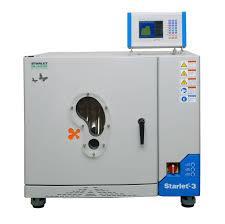
More Products in Colour, Light & Appearance Measurement Solutions Category
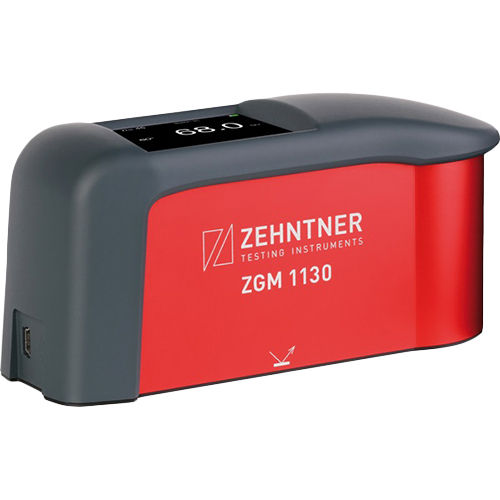
Gloss Meter
Price 1 INR / Piece
Minimum Order Quantity : 1 Piece
Application : Paint, Coating, Plating, Plastic, Paper, Ink, and more
Power Supply : 2 x AA Batteries (DC3V)
Control Mode : Auto / Manual
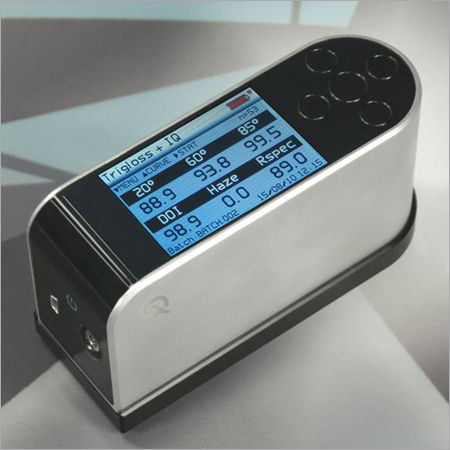
Portable Glossmeter
Price 4000.00-17000.00 INR / Piece
Minimum Order Quantity : 1 , , Piece
Application : Gloss measurement of coatings, plastics, paper, metals, etc.
Power Supply : Rechargeable Liion Battery / USB Charger
Control Mode : Manual Operation

Glossmeter Konica Minolta
Price 500000 INR / Piece
Minimum Order Quantity : 1 Piece
Application : Measurement gloss on surface
Power Supply : 1.5 V AA
Control Mode : Manual
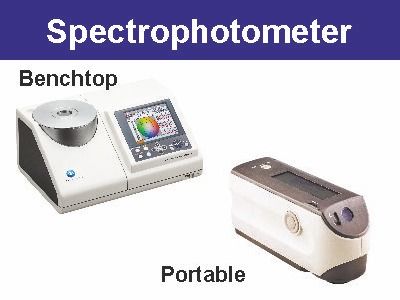
Spectrophoto Meter
Price Range 150000.00 - 250000.00 INR / Piece
Minimum Order Quantity : 1 Piece
Application : Industrial

Contact Details
JAY INSTRUMENTS & SYSTEMS PRIVATE LIMITED
GST : 27AAACJ1391A1Z1
- C-64, TTC Industrial Area, Turbhe,Navi Mumbai - 400703, Maharashtra, India
- Phone :View Number
 Send Inquiry
|


Developed and Managed by Infocom Network Private Limited.